Unheard Classics: The Beatles – “Sgt. Pepper’s Lonely Hearts Club Band”

As mentioned in my OK Computer post, I’m someone who is still relatively new to being obsessed with music. It wasn’t really part of my family growing up and it’s not something that was ingrained in me from a young age. I see this as both a blessing and a curse: On one hand, I feel like having a “blank slate” helped me form unique tastes that aren’t influenced by too many outside sources. I was able to identify what I liked and why I liked it all by myself.

The downside is that I feel like I’m constantly in a state of catch-up, particularly when it comes to past music that, for most music lovers, is just common knowledge. In particular, I have a rather shameful and embarrassing ignorance of most 60’s music.

Admittedly, part of that is my own doing. I’ve listened to plenty of older music from the 70’s, 80’s, and 90’s, but I’ve sort of consciously avoided the 60’s for a few reasons. One of them is that I’m more of a punk fan at heart — my tastes veer more towards the aggressive and I’m drawn to the punk ethos and the fact that the music is naturally making a statement. The 60’s had the seeds of punk in some places, but at least the kind I enjoy didn’t really pick up until the 70’s.

A bigger problem that I have with 60’s music doesn’t so much have to do with the music itself, but more with the way certain things get canonized and romanticized until there’s no room for any sort of reasonable discussion anymore. At a certain point it seems like a lot of the music from the 60’s has just become immune to any criticism and is only mentioned in slobbering articles, with massive statements about how “revolutionary” and “groundbreaking” it is. I feel like there’s a common perception among some music fans and reviewers that music is automatically better because it came from the 60’s.

Personally, I don’t think anything should be above criticism, especially something as subjective as music. So I thought this series, which is inspired a lot by NPR’s “You’ve Never Heard…” and the AV Club’s Better Late Than Never features, would be a good way to not only fill my embarrassing gaps in 60’s music knowledge but also to honestly evaluate and critique this music without being bound by nostalgia.

My mental image of Beatles fans.

There was only one place to start with this experiment: The Beatles. Now obviously I’ve heard a lot of Beatles songs, because I’m a human being living on planet earth, but I had never really gotten the urge to just sit down and listen to their albums. Partly because, for me, a lot of the joy in music is the discovery: I love finding great music that has been overlooked or only has a small following. It makes me feel like I know something other people don’t, and it’s easier for music to emotionally connect with me that way.  (I realize this makes me sound like one of those hipster douchebags who hates anything that’s popular, but I can’t help it.)

Obviously, no such feeling exists with the Beatles. They’re everywhere. If you want to “discover” the Beatles, you just have to go to a local shopping mall or turn on the TV. The fact that the band is so widely and unanimously adored is a lot of the reason why I’ve never gone too far out of my way to listen to them. On some level, the band’s music doesn’t feel like it belongs to me. It belongs to the massive, crazy Beatles fans who were there during the 60’s or the people that know the words to every Beatles song and completely worship them.

I should clarify that I like the Beatles, at least most of the songs I’d heard going into this. I just have a negative reaction to the way they’re so endlessly mythologized, this attitude that the Beatles invented everything and it’s all been downhill since the Beatles and if you don’t listen to the Beatles you must be an idiot who knows nothing about music. I’m sick of stuff like Across the Universe and the like that is all about putting the Beatles onto this golden pedestal to the point that, if you say anything even remotely negative about them, you risk being shunned by society.

I could have picked pretty much any Beatles album (I might still do more in the future), but I chose Sgt. Pepper’s Lonely Hearts Club Band to start this. It was named the best album of all time by Rolling Stone a few years ago and has an overwhelming consensus as one of the all-time great albums. It’s generally recognized as being part of the band’s creative peak.

One of the main things I knew about the album before hitting play is that it’s been recognized as one of the first concept albums, as The Beatles, tired of touring, created a fictional band which presents the opening title track. That segues into the Ringo-sung “With a Little Help From My Friends,” which is a pretty classic Beatles tune with a great melody. After that, the concept is mostly dropped, which apparently bothers me more than anyone else, so I won’t make a big deal of it.

From there it moves to “Lucy in the Sky With Diamonds”, John Lennon’s ode to a girl named Lucy that was in the sky with diamonds and totally not LSD. That song’s combination of pop and psychedelia pretty much sums up the first chunk of Sgt. Pepper’s, which is a bunch of irresistible, catchy pop songs that also have a lot more to them than it might appear on the surface.

It’s in the middle part where Sgt. Pepper’s kind of lost me. “Being for the Benefit of Mr. Kite!” has the pop craft that the Beatles are known for, but the lyrics are pretty silly which made it disposable for me. After that was George Harrison’s “Within You Without You.” It’s a good song and I generally like Harrison’s sitar experiments with the Beatles, but it also feels disconnected from the rest of the album, like a George Harrison solo effort that just got plunked in there (which it basically is — none of the other Beatles played on the track).

After that is “When I’m Sixty-Four.” I said I’d be honest so here goes: I think this is a terrible song that comes pretty close to derailing the whole album. It’s just so maudlin and goofy sounding, it has no connection to the rest of the album’s sound, and in general it just sounds like McCartney making a song for a crappy children’s cartoon. I wish it didn’t exist. While a lot of the sounds the Beatles used on this album have been influential, I’m thankful that this one hasn’t.

Fortunately, things pick up from there with “Lovely Rita,” which is more in line with the first part of the album as a great pop song with some excellent harmonies and an infectious piano part. “Good Morning Good Morning” combines psychedelic guitar and horns into another tight pop package. It’s the kind of combination of accessibility and experimentation that has defined the Beatles.

After that there’s a reprise of the title track, just to remind people that what you just listened to was a concept album (even though it totally wasn’t — okay, I’ll drop it). That’s followed by “A Day in the Life,” which is one of my favorite Beatles songs and definitely one of their classics that I won’t argue with anyone about. Both the McCartney and Lennon parts are excellent, and they’re glued together in a way that makes perfect sense and helped redefine what a song could be in this era of music.

Overall, I obviously didn’t come out of my first serious listen to this album instantly going “THIS IS THE BEST ALBUM EVER EVERYONE WAS RIGHT,” because music doesn’t work like that. However, I can clearly see why it’s considered so amazing: On the surface it’s a great, listenable pop album, but beneath that you realize that the Beatles were experimenting and doing things that no other band had done before in the studio. That sense of experimentation, for me, led to a couple of dud tracks, but those duds were the result of the same artistic risk-taking that created “A Day in the Life” and the other parts that made it work.

Still, when listening, I can’t help but feel like I’m in a stuffy museum, observing it from afar rather than really experiencing it. I enjoyed most of the tracks but rarely felt that vital emotional connection, that spark I get when I find something I really love for the first time. I have a feeling that this isn’t the fault of the Beatles, it’s just what happens when art becomes so inescapable and influential. So many of the Beatles innovations have become commonplace that it’s likely that I simply can’t appreciate them the way people did at the time when there was no real precedent.

A lot of what music you really love comes down to timing: At a certain age a band might really make an impact that wouldn’t be felt if you listened to them even a couple years later. In that regard, I think I’ve either missed the boat on loving the Beatles or it simply hasn’t arrived yet. But listening did help me gain a respect for the band’s ability to play to the top of the pop charts while simultaneously experimenting with what music could be.

2011: A Retrospective and Look at the Future

As the year comes to an end, I thought it’d be fitting to take a look back at some of the events and debates that stood out for me in the last year.

The death of Trish Keenan

Most of the year-end “in memoriams” will be focused on Amy Winehouse, but no musician death affected me this year like Trish Keenan’s, who died on January 14th of pneumonia at age 42. Keenan fronted the UK dream pop group Broadcast, who, while consistently admired, never really got the level of popularity and acclaim that I felt they deserved. They quietly made some of the most beautiful and original music of the last decade, drawing from their 60’s inspirations like the United States of America and obscure foreign soundtracks to create something completely new.  At the center of their sometimes dark, psychedelic sounds was Trish and her warm vocals, which ensured that there was always a heart at the core of their music.

Trish’s death struck me because of how unfair it was for such an amazing singer to die of something like pneumonia, and because her death seemed to be met with relative shrugs or lack of acknowledgement from a lot of places. Considering her band was responsible for some of my favorite music ever, it was depressing to see it all get glanced over, or to see the band’s plays spike on last.fm before settling back down to normal just a couple weeks later. Her death didn’t just remind me of how life can seemingly end at any moment, but also the inherent sadness that comes with loving a band that nobody else seems to care about.

I named my blog after their debut album in tribute (and because it’s a great name for a music blog anyways), and I’ll continue to preach the greatness of Broadcast everywhere, even if I just get met with shrugs.

The year of “boring”

The biggest ongoing debate in music this year seemed to surround one word: “boring.” Is music today boring? What music is boring? What does boring actually mean in the context of music?

For me, this has been a subject of my attention for a couple years, when I noticed that local indie radio station The Current was playing a lot of music that bored the hell out of me (typically mopey folk). But the issue really came to a head this year when widely celebrated albums by the likes of Bon Iver, James Blake, and Fleet Foxes were branded as “boring” by many people (including me).

One of my favorite music writers, Steven Hyden, wrote an essay about the topic for The AV Club, where he criticized those that lazily use the word “boring” to describe music. I agree with some of what he says, but disagree with some of it as well. For one thing, I don’t think people that call music “boring” are wearing it with a badge of honor, but instead are simply disappointed at the direction music has taken.

But I agree that the word “boring” is dumb to use for music, which is why I’ve struggled a lot with this issue in 2011. Because, as much as I hate saying it, a lot of music this year really was boring. It’s not just that the sound of a lot of these artists is so low-key and passive, but there’s also the sense that it’s all been done before.  More than ever before, a lot of the most acclaimed music this year seemed to be stuck in the past, either fixated on reviving some trend (like the whole 80’s easy listening revival done by artists like Bon Iver and Destroyer that still completely baffles me) or recalling a specific sound and era. Even as I enjoyed some of the music by these revivalists, I still found it frustrating that so many seemed to be swimming in their own influences instead of making something we haven’t heard before.

Lame indie kids schooled by female veterans

While the whole boring music thing was happening, with most of it propagated by the same types of male artists that have always dominated indie music, an interesting trend for me emerged this year: A whole bunch of female artists returned from long layoffs and made some of the best, most original music of 2011.

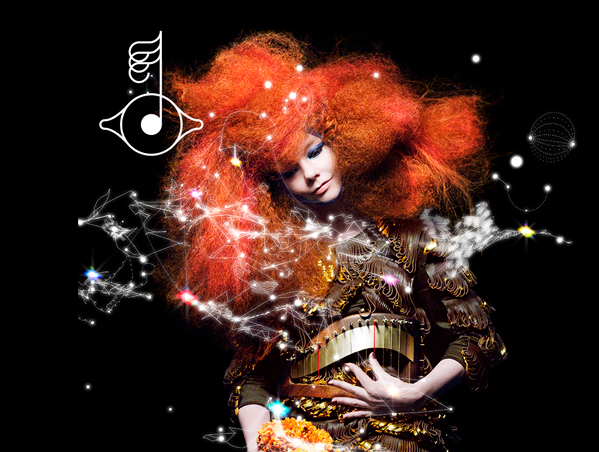
It started in February when PJ Harvey released Let England Shake, her first solo album since 2007’s White Chalk and likely her best in over a decade. Like all PJ Harvey albums, it was an original, literate piece of work, but it also benefited from a broader scope as her look at war and her homeland felt bold and provocative when so much music this year felt lifeless and limp.  Her contemporary in original female songwriting, Björk, also returned with her first new music since 2007 with the dazzling multimedia Biophilia project. Arguably Biophilia’s music didn’t live up to its ambitious iPad app packaging, gravity-based instruments, science classes, and all the other crazy stuff Björk was up to this year, but it reminded me of how refreshing it is to see an artist actually try something new and attempt to take music somewhere it hasn’t been before.

Elsewhere, all-female supergroup Wild Flag, which included Carrie Brownstein and Janet Weiss of the dearly departed Sleater-Kinney, released what I thought was the year’s best rock album in September. For Brownstein, who has spent the last few years blogging for NPR and appearing on Portlandia,  it was her first recorded music since that band’s 2005 album The Woods. Wild Flag also included Mary Timony who had been relatively under the radar since her mid-90’s work with Helium.  For members with such pedigrees, their debut album was wonderfully unpretentious, a celebration of the greatness of rock music coming at a time when we need it most.

The reclusive Kate Bush even came back with 50 Words for Snow, her first new music since 2005’s Aerial. With its seven songs clocking in at a whopping 65 minutes, Bush’s album was an ambitious work that was remarkably distant from any sort of current indie trends.  Its lengthy songs never wear out their welcome and showcase Bush’s knack for quirky storytelling. The song lengths became an issue for me as a couple songs I didn’t like as much took up about 1/3 of the album, but it also had some of my favorite songs of the year, especially the 13 minute “Misty” about Bush falling in love with a snowman and “Wild Man,” her ode to the yeti.

So what does it say about music that the most ambitious, thought-provoking music this year was made by females in their late 30-50’s?  I’m not really sure, but I do think today’s entitled indie youngsters could learn a thing or two from the artists that helped make indie music what it is.

(These veterans were joined by up-and-comers like St. Vincent, EMA, Tune-Yards, Eleanor Friedberger, etc.  Overall, I think this was probably the strongest year for female artists in a long time.)

Looking forward to 2012

When I started this blog because I was bored over the summer, I figured it would be a fun challenge for myself, but one that few other people would care about.  For the most part I think that’s still true, but I’ve had more activity than I was expecting on it and have already learned a lot (such as that putting pictures of Björk in your posts is a great way to get a lot of google images hits).  I’ve gained a lot of respect for websites I used to make fun of all the time now that I know how difficult it is to write about something so subjective.

For the next year, my goal is to listen and write fairly prolifically, with more focus on new music than I had in the past year.  Hopefully that will lead to more people reading and taking an interest in the blog, and who knows what happens from there.  I’m thankful to anyone who read or took an interest in my writing this last year, and hope you stay on board through 2012.  This blog wouldn’t be possible without you.  Well, actually it would be, but it’d be a lot sadder than it already is.

Confessions of a Bon Iver Hater

The old cliché about music is that it brings people together. It’s a unifying force in our lives, something we can often discuss with people we have little else in common with. However, I sometimes find that music is just the opposite for me. A lot of the time, music is alienating: It’s the band you love that nobody else seems to know or the band you hate that everyone else seems to love. Both seem to happen to me all the time.

In 2011, no artist represented that idea more than Bon Iver. The band, led by Eau Claire native Justin Vernon, released their self-titled second album this year to rave reviews from the music press and fans, topping many year end music lists in the process. He was the subject of countless magazine covers and articles, Facebook posts, and was even nominated for the Grammy for best album, signifying his breakthrough into the mainstream consciousness. Living in St. Paul, which is right in the heart of Vernon’s midwest stomping grounds, it seems like everyone loves Bon Iver.

Except for me, of course. In the months since his last album came out, I’ve been carrying around a horrible secret:  I kind of hate Bon Iver. I haven’t told anyone because I’ve been afraid of possible retribution (Bon Iver’s fans are an intimidating bunch) and, in general, it’s hard to tell someone that you think one of their favorite artists sucks. Especially when it seems to be the favorite artist of  half the campus where you spend most of your time.

It wasn’t always this way. Bon Iver’s first album, 2008’s For Emma, Forever Ago wasn’t my cup of tea, but I at least respected what went into it. The story of Vernon secluding into a cabin after having his heart broken and just writing music in isolation appealed to me, even if it was a tad corny. I didn’t like it, but I saw the appeal because it came from such an honest, genuine place.

I can’t say the same for his self-titled second album, which has baffled and frustrated me pretty much all year. It’s a long way from the spare, “cabin” arrangements of his first album, instead opting to bury his voice under layers and layers of glossy 80’s style sheen. For the most part, you can barely understand what Vernon is singing about through the album. This works for me if you’re a musical genius like Kevin Shields or Radiohead; it doesn’t when your album sounds like it was produced on a synthesizer made in 1983.

Most of all though, though, Bon Iver is just so… dull. Nothing about it grabs my attention. This is incredibly subjective, of course, because different things are interesting to different people. But I have an incredibly hard time picturing anyone getting pumped up to listen to Bon Iver. The same could be said about a lot of folk music, but at least most folk singers have concrete lyrics that I can grab on to so there’s an actual meaning to their songs. Any emotional connection I could make to Bon Iver was typically buried under a synthesizer, a guitar, a saxophone solo, autotune, and the washed-out production.

It’s rare that I outright dislike an album that is so widely acclaimed, so I thought a lot this year about why I had such an intensely negative reaction to Bon Iver. For awhile, I looked at it as sort of a character flaw. Maybe I’m just biased against Vernon and his bearded white male folky brethren, or just wanted to hate the album because it was popular. Perhaps I’m just too stupid to understand the album’s complexity, similar to how I don’t get Animal Collective.

These are all still valid possibilities, but I also think Bon Iver just lacks pretty much everything I look for in music. To illustrate this point, and to try to figure out why I hated this damn album so much, I thought it would be interesting to compare it to my favorite albums of this year.

At the very top is PJ Harvey’s Let England Shake, which is probably the most sensible comparison to Bon Iver. These are the two most acclaimed albums of the year and both are primarily folk-influenced. Both have been called boring by a lot of people, yet I found Let England Shake incredibly powerful and moving while finding Bon Iver tedious. It’s really in the conception where PJ blows Bon Iver out of the water: She made a searing portrait of war in her homeland.  Bon Iver made… what exactly? Another folk album where a white guy sings about how sad he is?  Where Bon Iver’s lyrics were either cliche or impossible to understand, PJ’s grabbed me and jolted me and had a visceral impact. Let England Shake was my favorite album this year because of its ambition and literary depth.  Bon Iver had neither of those things.

That might have been an unfair comparison, since Let England Shake is an amazing album by one of my favorite artists. Perhaps a more fair comparison would be EMA, whose debut album Past Life Martyred Saints was third on my list and was also somewhat folk-influenced. I don’t think any song this year jolted me and made me say “who the hell is this?” the way EMA’s “California” did when I first heard it. It was raw, bold, and confrontational, lyrically and musically. It pulled no punches, which is something I really love in music.

Bon Iver is a far cry from that idea. To say Bon Iver pulls punches would be an understatement. It doesn’t even punch at all. It just kind of sits there. There is no attempt at standing out, no hint of challenging listeners, none of the sense of emotional catharsis that I thought Past Life Martyred Saints had. It has absolutely no boldness or originality. It’s just another in a long line of indie folk albums, the type that we hear seemingly thousands of every single year.

In the end, I’m left wondering what it says about the state of indie music today that something like Bon Iver is so widely adored. Is this really what we want from music? Is this what we’re willing to accept from artists? I don’t doubt that for many people the album had a profound emotional impact. Personally, I expect more. I want music that challenges me, excites me, is bold and original. In other words, I don’t want Bon Iver.