On “Sugarcoat,” Blushing Keeps the 90s Dream Alive

Image courtesy of Bandcamp.

Nostalgia is a disease. Constantly lingering in the past is the easiest way to never move forward, and assuming things used to be better often prevents people from enjoying greatness that is right in front of them. That being said: the 90s were pretty awesome, weren’t they? It was definitely the best decade, and I’m not just saying this because it was when I was a child who easily made friends and had no responsibilities.

This band, Blushing, really likes the 90s. They have a song on their new album, Sugarcoat, called “Tamogotchi.” Their sugary bubble-grunge sound is the product of a group of people who believe that the music industry and the world was a better place when Letters to Cleo was a prominent band (they may be right). There is an oddly endearing shamelessness to this whole endeavor — a lot of the presentation and style borders on feeling cynical in its Millennial pandering, but the songs also have a certain charm that makes them feel convincingly sincere.

On the surface, Sugarcoat is a straight-forward pop-rock album that isn’t particularly interested in probing deep into questions about the human condition. There’s not much to say about the individual songs except that there are a lot of bright, catchy melodies, and everything is executed sharply in terms of what the band is trying to do. If you enjoy relatively mindless, fun guitar pop, you will like this album. So instead of focusing on that, indulge me while I overanalyze the nostalgic aspect of this thing.

Because what is most interesting about Sugarcoat is how it (maybe intentionally) functions as a critique of itself. Nostalgia is primarily a result of how our minds remember all the good times and forget the bad ones, and that is also what is happening on this album in all facets from the sound to the packaging. It’s a constant sugar rush of bright colorful hooks and sweet vocals, and it’s all so on-the-nose (again, they called a song “Tamagotchi”) that a sense of darkness creeps in, as the band starts to resemble one of those groups that is a little too happy and you start to think they’re a cult.

What’s really being sold here is a kind of escapism, a retreat for some listeners into the carefree days of childhood. But it’s also a fantasy that at times feels hollow, because listening to this, you’d think nothing bad ever happened in the 90s and everyone was living in some kind of ultra-colorful music video. So there is this constant tension on the album between the pleasurable sounds and the slightly gross way it insists on looking backwards through the most rose-colored glasses imaginable. The funny thing is, this ambivalence is what ultimately makes me want to recommend the album: it has all these catchy songs, and — whether intended or not — there are elements in the music that raise these questions and make it surprisingly thought-provoking.
Broadcast’s “Spell Blanket” is a Poignant Reminder of Trish Keenan’s Talent

Image courtesy of Bandcamp.

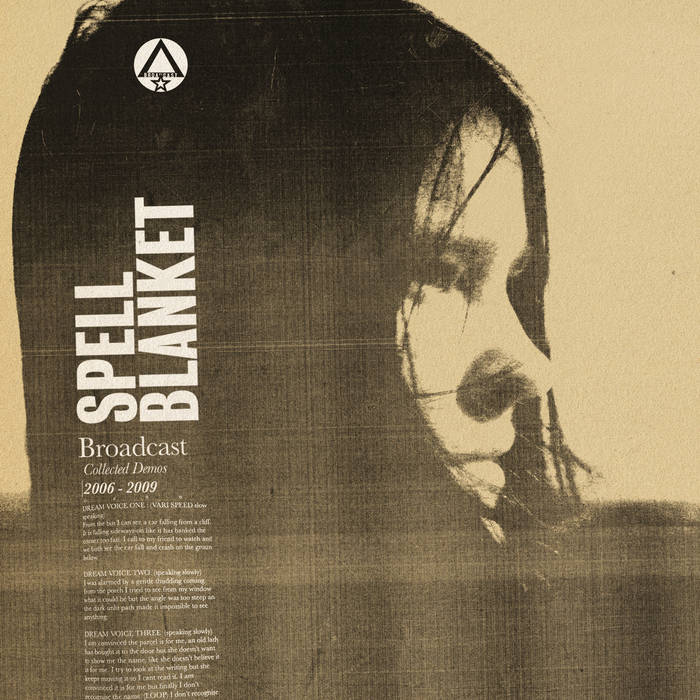
Albums don’t get much more bittersweet than Spell Blanket, Broadcast’s recently released collection of demos that were recorded by late singer Trish Keenan from 2006–2009. For long-time obsessive fans like myself, there is joy in hearing Keenan’s voice again on unheard material and once again being inspired by her creativity. There is also an unmistakable sadness in the experience, hearing all these ideas and knowing how much great future music was taken from us when she passed. The more exciting and mesmerizing a song on Spell Blanket is, the more it hurts that it represents a fascinating path she was never able to fully explore.

Right away, the second song, “March of the Fleas,” stands out as a new direction for Broadcast, as Keenan’s haunting voice gets buried under cascades of heavy noise, like she’s being sucked into another dimension and is taking you with her. Then the song ends in two minutes and the reality sets in that there can never be a full album of songs like it, and this is it. Spell Blanket sprawls over 36 tracks — some seem nearly complete, others are more like snippets of possible directions — and most of them spark this sort of feeling. Between the quantity of material, the typical depth of Keenan’s ideas, and the emotional baggage involved in getting to hear any of this at all, it’s very difficult to process despite the inviting sounds.

James Cargill, Keenan’s bandmate/partner, had the unenviable task of assembling these demos, and he’s done it in a way that makes it feel like an actual artistic statement instead of a pile of tapes. The inherent minimalism in the demos suits Broadcast well: what makes their music brilliant and enduring is how he and Keenan could conjure complex feelings and ideas from very simple elements. Psychedelic music is often mistakenly thought to need a huge collection of instruments and effortful weirdness; Keenan could sing a bunch of one-syllable words over one synthesizer or some light strumming and transport listeners to different worlds.

“Follow the Light” was released as the first single off Spell Blanket, and it’s a quintessential Broadcast song. Keenan creates magic out of basically nothing: she sings some repetitive lyrics like “follow the light/look into the light” over a quiet synth part, yet the result is practically mind-blowing because so much is unsaid and left open to the listener’s interpretation. Broadcast’s music is always generous in this way. There is never any pretension, or an attempt to seem cool; the band wanted listeners to find new ideas in the music and explore, and Keenan was the perfect relatable voice to nudge them along.

That song also shows Keenan’s warmth as a presence, and a lot of what I find compelling in Broadcast’s music is the merging of psychedelia with humanity. That shines through in these sparser demos, which put the spotlight even more on Keenan’s natural gift for melody and her innate likability. “A Little Light” is a brief sing-songy burst of unadulterated uplift reminiscent of “Come On Let’s Go,” where Keenan tells someone to focus on the positives in a way that comes off as genuine and not cliche. Another happy song is “Petal Alphabet,” but its lyrics are more of an abstraction built around evocative phrases, in line with the work Broadcast was doing on later albums like Tender Buttons. Keenan shows vulnerability on the affecting “I Want to be Fine,” alternating spoken word mumbling and her delicate singing voice to sound fragile and even desperate. In some ways, the album in this form feels like a natural progression Broadcast could have made because of how much it emphasizes the human element that separated them from so many other psychedelic bands.

With no way of knowing what these demos would have eventually turned into, it’s better to accept what Spell Blanket is, which is a final testament to Keenan’s creativity, charm, and constant pursuit of new sounds and ideas. Even in its somewhat unpolished form, everything that made Broadcast a special band is present here, and it also includes some new ideas that show different lanes they could have eventually gone down. There’s something that sparks the imagination in all 36 of these songs, no matter how short they are, and some of the high points even benefit from the stripped-down non-performative demo feel. Unfortunately, the quality of Spell Blanket is also a kind of tragedy, as it clearly shows just how much Keenan had left to give.

Cassandra Jenkins Makes Boredom and Loneliness Sound Glorious

Image courtesy of Bandcamp.

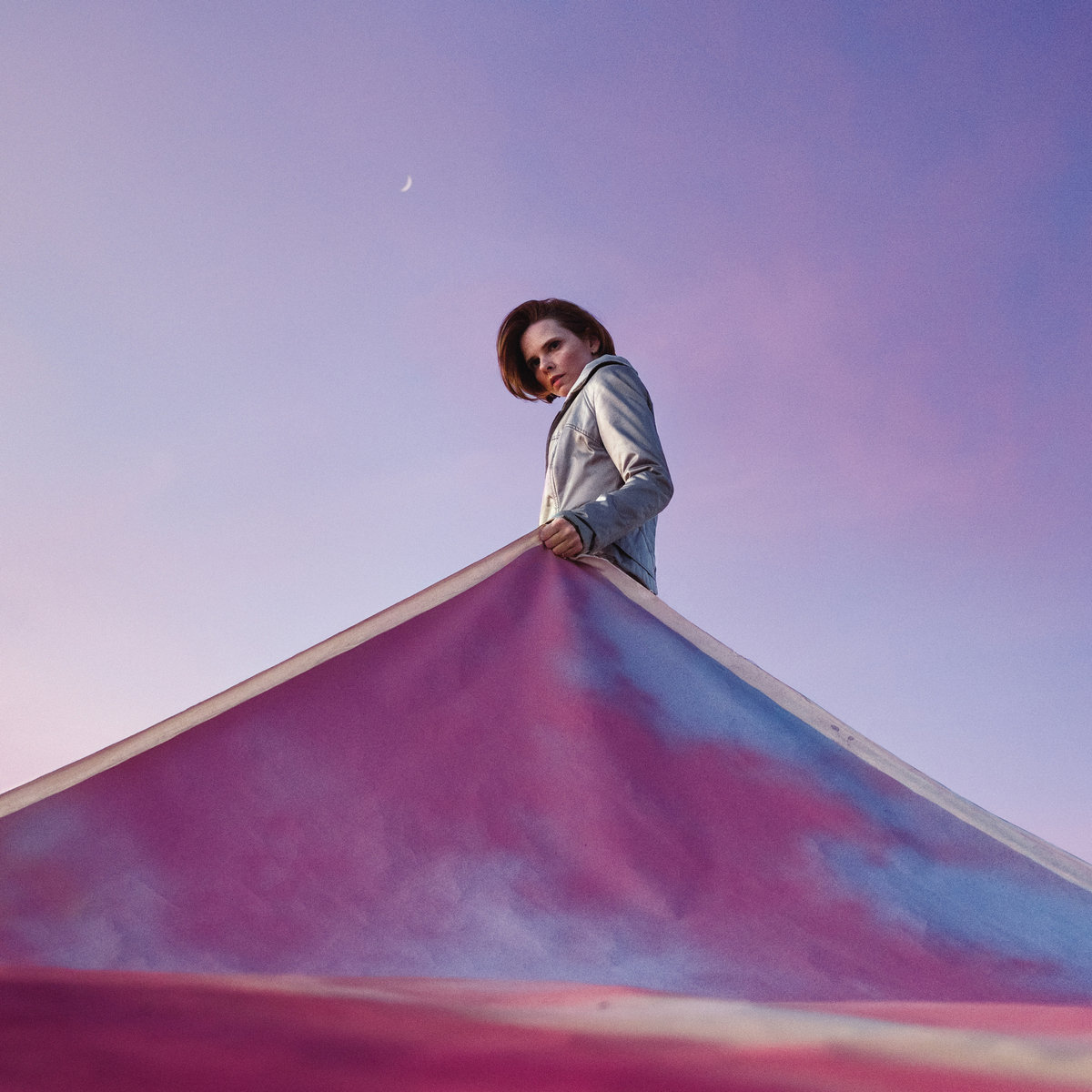
On first blush, the low-key folk stylings of Cassandra Jenkins could be mistaken for the legions of bland singer-songwriter types who create their idea of “sad music” without bringing original sound or thought to the table. But her last album, An Overview on Phenomenal Nature, showed her expanding her sound and experimenting creatively, especially on the stand-out track “Hard Drive,” which winded through five-and-a-half minutes of whispery storytelling with saxophone and piano flourishes. Jenkins’ latest album, My Light, My Destroyer, shows continued growth, as uneventful shifts at a flower shop, hotel room stays, and trips to Petco are turned into high-definition songs full of existential questions.

The specificity in the lyrics is a key to making this album stand out. My Light, My Destroyer presents what feels like a literal road map of experiences and memories. Jenkins zooms in on tiny details and is able to expand them into big ideas: on “Clams Casino,” someone ordering the titular dish without knowing what it is stands in for the feeling of aimlessness many of us have wandering through life. The somewhat grungy “Petco” turns her trips to the pet store into ruminations on whether she can ever take care of a pet or even herself. The most prominent location is “Aurora, IL,” and on that song she spends a night in a hotel on tour staring into space and the room’s ceiling — material that fits the song’s dreamy rock vibe with its strings and surprisingly heavy guitar.

Jenkins gets the musical part of storytelling also, and every song on My Light, My Destroyer sounds the way it feels it should sound. The highlight of the album — and of 2024 music in general — is “Delphinium Blue,” which is where all of Jenkins’ gifts come together. She’s working in a flower shop while longing for someone and her spoken-word recitation of her tasks (“chin up/stay on task/wash the windows/count the cash”) is juxtaposed with her desire while the music swells with beautiful almost shoegaze-like noise. It’s probably the most accurate depiction of a peaceful, mundane job in a song, and it’s another example of how Jenkins can make ordinary life sound spectacular and tiny moments feel massive.

For all I know, the stories Jenkins is telling could be fiction. But these songs are detailed and lived-in enough that the distinction doesn’t really matter — these are reflections on loneliness, anxiety, and yearning that feel completely believable and authentic. And all of the themes are bolstered by a sense of wonder that particularly comes through in more experimental songs like “Betelgeuse” where she’s just talking while looking into the stars. My Light, My Destroyer perfectly captures how the world is vast and awe-inspiring — which makes it that much more difficult to find your place in it.