Favorite 2000s Albums: #4 – Sleater-Kinney – “One Beat”

Listen on Spotify

No event shaped American life in the last decade like 9/11. I still vividly remember hearing about it when I was a sixth grader, and I also remember that awkward period after 9/11 where nobody knew exactly what was going to happen in America. For artists, 9/11 created a separate conundrum: what could be said about such an unthinkable tragedy? Most understandably opted to avoid the whole mess rather than risk alienating fans or being seen as making light of the event.

Not Sleater-Kinney. Following their 2000 album All Hands on the Bad One, banshee-voiced singer Corin Tucker gave birth to her first child. After a pair of more introspective albums, that event and 9/11 shape the music on One Beat, which effortlessly combines the political and the personal while also rocking to the stratosphere with a thrilling vitality.

Politics had always been part of Sleater-Kinney’s MO, but on One Beat they really come to the forefront. That resulted in some expected criticism of the band, but it’s also what makes One Beat feel so essential. Recorded in March and released in August 2002, the band takes prophetic shots at the Bush administration before it became a cliche for bands to do so. The band also plays as a unit more than they ever had before, with Carrie Brownstein providing monster riffs and more vocals while Janet Weiss continues to wail on her drums. Tucker’s voice, always the breaking point when it comes to people trying to get into S-K, is as unhinged and emotional as ever.

“Far Away” is one of the defining songs on One Beat, combining a thunderous guitar riff with Tucker’s first-hand account of seeing 9/11 on TV while she’s nursing her baby. That’s followed by the first overtly political statement of the album: “don’t breathe the air today/don’t speak of why you’re afraid,” presenting Sleater-Kinney as the band that would speak up in the awkward silence that was post 9/11 life. Later, they take their first pointed shot at Bush: “the president hides while working men rush in and give their lives.”

“Step Aside” takes a different approach, putting the polemics into a danceable song with call and response vocals. “Why don’t you shake a tail for peace and love?” Tucker asks on the song, and it seems to capture Sleater-Kinney’s worldview of music being a tool for change and fun. “Combat Rock” features most of the album’s most cutting lines (and its most memorable guitar riff), with Brownstein hiccuping through the verses and the band once again taking aim at the uncomfortable silence that followed 9/11 and preceded the Iraq war: “Where is the questioning? Where is our protest song? Since when is skepticism un-American?” Album closer “Sympathy” provides almost too much emotional catharsis, with Tucker praying for the life of her son (who was born premature).

One Beat stands up as Sleater-Kinney’s most diverse album, with many different sounds and moods. For every serious Bush-bashing song on the album there’s also one that’s a lot of fun, be it the tongue-in-cheek tale of the good girl gone bad in “Prisstina” or the poppy “Oh!” with its wah-wah chorus. But it’s the political moments that get the most attention, and for good reason: while other bands would follow in their path and perhaps dull One Beat‘s impact, it’s an album that took a lot of courage to make. In a time where almost everyone else was being quiet, Sleater-Kinney spoke up, and that’s what makes One Beat a rock album of incredible power and purpose.

Nearly ten years removed from One Beat, its shots at republicans, anti-intellectualism, and consumerism still feel depressingly relevant. What also feels relevant about the album is that it’s a reminder of what rock music can be: One Beat feels like an album that had to be made and heard. I debate endlessly about what my favorite Sleater-Kinney album is, but One Beat is probably the one that I respect the most, because it’s so fearless and strong in its convictions.

Favorite 2000s Albums: #5 – Fever Ray – “Fever Ray”

Listen on Spotify

One question I ask myself a lot is “Why doesn’t more music sound like Fever Ray?” That’s pretty much the greatness of Swedish musician Karin Dreijer Andersson (known primarily for her music made with The Knife) and her 2009 solo debut in a nutshell: it’s an album that has its own sound and mood, that is completely unlike anything else.

The Knife hinted at the direction Fever Ray would go in as a solo album with their acclaimed 2006 album Silent Shout. On that album, they embraced a darker sound, but it was still largely electro/synth pop that was designed for the dance floor (even if it was in a really weird dance club). On Fever Ray, Dreijer scrubs away most of the pop pretense that Silent Shout had, creating an album of dark, claustrophobic sounds that sometimes feel like the soundtrack to my nightmares. Fever Ray is very creepy, even for the somewhat high standards of creepiness set by this list so far.

Words like dark and creepy may not sound like ringing endorsements for an album, but something about Fever Ray keeps bringing me back. I think it’s what I hinted at before: if I want this kind of music (which I frequently do for some reason), Fever Ray is pretty much my only choice. It not only sounds unique but it also evokes emotions that aren’t found anywhere else. It’s like a beautiful nightmare, with lovely moments instantly pushing themselves up against moments of dread.

The closest comparison I can think of for Fever Ray is Björk’s 1997 masterpiece Homogenic, which was also sometimes dark, with chilly instrumentation and an unorthodox creator bringing it all together. While Björk’s voice was the human element in Homogenic, Dreijer’s is processed and manipulated, and her strange lyrics and pronunciations give the album even more of an alien feel. On some tracks, like “Concrete Walls”, her voice is pitched so low that it barely sounds like her. On the foreboding opener “If I Had a Heart”, both Dreijer’s low voice and the lyrics (“if I had a heart I would love you”) sound unhuman.

Dreijer is a shapeshifter on Fever Ray, which makes sense for an artist who rarely shows her face in public, even at concerts. But it’s also a more personal work than anything she did with The Knife, and her humanity does shine through on most songs, in an odd way. On songs like “Seven” and “When I Grow Up” there is a sense of childhood nostalgia. The music is forward-looking and modern, but most of the lyrics seem to be about looking back and remembering. Fever Ray creates the common duality of humanity and technology, and does it in a way that is mysterious and intriguing, much like the artist who made it.

Dreijer constructed the album on Garageband, and as a result it has that modern feel where every note is exactly where it’s supposed to be. That can sometimes be a drag, but Fever Ray is so immaculately constructed and individual that it never sounds tedious or limp. And while the album obviously makes heavy use of technology, it is also about being human. It reminds me of PJ Harvey’s White Chalk (#8 on this list), both in how individual it is and how it seems to be largely about loneliness and isolation. Both the albums are also self-contained, to a point where they can sometimes be seen as inaccessible to others.

So, to get back to my initial question, it’s easy to see why nothing else sounds like Fever Ray. Dreijer is one of the most strange and original talents of the decade, and the universe she creates on this album seems to exist only in her imagination. Even if someone were to replicate all the craft she puts into Fever Ray, they would be hard-pressed to match the sense of wonder and idiosyncratic personality that Dreijer provides. One of my big gripes about this decade was that music seemed to become more bland and impersonal, but Fever Ray proves that artists are still making personal, unique albums — you just might have to look a bit harder for them.

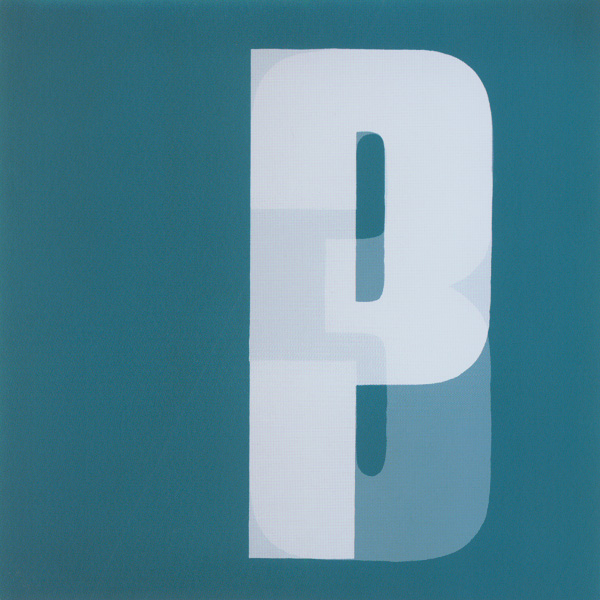
Favorite 2000s Albums: #6 – Portishead – “Third”

Listen on Spotify

A theme sprouting up in the last few albums has been veteran artists drastically changing their sound. But while PJ Harvey and Radiohead did so by choice, as a conscious effort to experiment and challenge listeners, Portishead were almost forced to construct a new identity for 2008’s Third. After releasing Dummy in 1994 and a self-titled album in 1997, the band went their separate ways, focusing on solo efforts over the next few years. While they did that, the trip-hop sound that they allegedly pioneered mostly disappeared, or was misappropriated by bands that Portishead really didn’t care for.

Facing the challenge of reinventing themselves after over a decade, Portishead deliver tremendously. I think Third is the best comeback album of the decade and it might be even better than their undisputed classic Dummy. While Dummy was noted for perfecting a certain sound, Third benefits from an increased array of influences and a wider musical palette. The band dropped the sampling that they were known before on their first two albums, constructing all of the music themselves and incorporating elements of folk and experimental rock to their already established moody electronic sound.

Third is much more cold and abrasive than Dummy, which was dark but also had a smoother sound. This isn’t a “chillout” album like Dummy was, which is fine by me. A lot of the songs are surprisingly noisy, with distorted drums and various racket from electronics. Like before, what brings it all together is Beth Gibbons’ voice, which is still incredible and brings a human element to Portishead’s sometimes alien sound.

“The Rip” is probably my favorite Portishead song, with a repeating arpeggio that starts out as folk but grows into an epic electronic climax behind Gibbons’ vocals. “Machine Gun” is the album’s most abrasive moment, as distorted drum machines battle it out with the electronics while Gibbons sings her typically depressing lyrics.

Overall, I find myself with little to say about this album, other than that you should listen to it. Portishead is a mysterious band that doesn’t really lend itself to fanciful narratives and storytelling. They just quietly and professionally make really great music. Third might not be considered as influential as Dummy was, but it’s maybe their most impressive work, one that stands on its own without any of the labels that had previously been attached to the band’s music.