After another year of listening and reflection, 2011 has held up as one of my favorite music years, mostly because a ton of my favorite active artists put out new albums that surpassed expectations. Albums by PJ Harvey, Björk, Kate Bush, Wild Flag, and St. Vincent all would rank highly on my favorite albums of the decade so far. Add in great albums by some new artists like EMA and it was a year that had tons of music that I still listen to on the reg (youth slang for “regularly”).
So admittedly, 2012 had a tough act to follow, especially because none of the aforementioned artists were going to put out new music. But even given those excuses, I found 2012 to be a pretty dismal year. The few albums I was looking forward to at the beginning of the year almost all fell flat for me. Jack White went full-blown Rolling Stone dad rock on Blunderbuss. The xx’s second album was a snoozer. St. Vincent’s collaboration with David Byrne gave her some good moments, but was mostly marred by Byrne’s old-man ramblings about television. And I also just got plain sick of a lot of artists I had liked before (Beach House, Bat For Lashes, etc).
The good news is, these artists all falling flat on their face with mediocre outings opened the door for some new faces to earn a spot among my favorite albums of the year — a coveted achievement for any artist, given that a place on it usually leads to a significant boost in record sales dubbed “The Noise Made By People Bump” by the music industry. This list represents my favorites based solely on my personal taste and isn’t intended to be any sort of objective ranking (not that any such thing exists, but figured I’d clarify). These are the albums I thought were great in a year that mostly wasn’t.
10. Hospitality – Hospitality
Hospitality formed in 2008, but didn’t release their debut album until early this year. Fortunately, it was worth the wait: Hospitality is a very fully-formed debut of charming indie pop from the New Yorkers, fronted by Amber Papini’s quirky vocals and instrumental work that is more creative and punchy than most allegedly “twee” music. But what really separates this album is its lyrics, which tell realistic stories of life in New York and post-college angst, especially on songs like “Liberal Arts” and “Eighth Avenue.”
9. Goat – World Music
Not much is known about Swedish band Goat: they don’t give interviews and have members that have mostly remained anonymous, even in an era where artists are seemingly constantly tweeting and oversharing things. That may have been why I was so taken with their debut, which lives up to its title by patching together elements of seemingly all kinds of rock music, but does it in a way that is impressively cohesive and also has a mysterious, enigmatic quality. With songs veering from the scuzzy psychedelic riffing of “Goathead” to the funky and almost-pop “Let it Bleed”, I never knew what this band was going to do from one song to the next, which made World Music one of the most surprisingly entertaining albums of the year.
8. Lower Dens – Nootropics
The music of Lower Dens is usually described with adjectives that I associate with boring music: it’s “atmospheric,” “complex,” and “understated.” All of those are fitting, but Nootropics is also full of creative energy that keeps it from being a drag, with the band’s swirling noise combining with pulsating rhythms to create a product that sounds like no other band out there. And of course there’s Jana Hunter’s voice, a unique instrument of its own that gives every song a haunting, woozy feel. This was one of my favorite albums to just get lost in this year.
7. Cate Le Bon – Cyrk
Cate Le Bon’s second album was released in mid-January, and I feel like it was barely discussed, then completely fell off the map as the rest of the year’s releases rolled in. Which is too bad, because Cyrk is an overlooked gem of an album, a unique singer-songwriter effort with just the right amount of experimentation. Le Bon’s sound perfectly balances folk and indie rock elements, and Cyrk has a quirkiness that doesn’t feel forced and a level of mystery that allows it to hold up to repeated listens.
6. Screaming Females – Ugly
For their fifth album, hard-working New Jersey power trio Screaming Females decided to take things up a notch, enlisting Steve Albini to engineer and dialing Marissa Paternoster’s guitar-hero swagger to seemingly the highest possible level. The result is their best album yet: Ugly has more memorable guitar riffs than pretty much all the other albums this year combined, as Paternoster takes cues from indie rock legends, classic rock gods, and heavy metal titans while also singing with more authority than ever before. It’s an album that lives up to its title by serving as an antidote to prettified so-called rock bands that make “beautiful music.”
5. Nü Sensae – Sundowning
One of my favorite storylines of 2012 was how many great rock albums came out of Canada — I enjoyed albums by White Lung, Japandroids, Metz, and others, while mostly being indifferent to American and British rock. But the Canadian band that made the most noise was Nü Sensae, whose third album Sundowning was the most intense and primal rock album I heard this year. The band added a guitar player to their lineup before recording the album, which added some riffs to go along with singer Andrea Lukic’s crazed screaming vocals that she alternates with sinister whispering. I like rock albums that sound pissed-off and are a bit scary, and Sundowning fits that bill perfectly — it’s a good soundtrack for when you want to punch things.
4. Jessie Ware – Devotion
Jessie Ware is an unlikely pop star — she previously served as a backup singer on an American tour and was hoping to pursue a career in journalism before getting a chance to record a solo debut. On Devotion, she shows that she’s an incredibly talented vocalist who also has a skill that some other singers could learn from: restraint. Ware’s vocals are capable of big theatrics, but she spends most of the album singing in more sultry, hushed tones while backed by sophisticated pop arrangements and silky smooth production. When she does decide to start belting — like on “Wildest Moments” — she makes it count. For whatever reason, Ware didn’t seem to make much headway on the charts in England or America, but this album is still a reminder of how great pop music can be in the right hands.
3. Lotus Plaza – Spooky Action at a Distance
As the guitarist for Deerhunter, Lockett Pundt has spent most of the last few years in the shadow of outspoken frontman Bradford Cox. On Spooky Action at a Distance, Pundt takes a big step out with a cohesive and individual collection of droney shoegaze jams in the model of previous Deerhunter highlight “Desire Lines.” Lockett’s ability to make epic songs while retaining an understated charm is prominent here, especially on longer songs like “Jet Out of the Tundra” and “Remember Our Days,” both of which combine his blissful guitar-work with Stereolab-like rhythms. I can’t say Spooky Action is particularly innovative, but it was some of my favorite pure ear-candy of the year.
2. Allo Darlin’ – Europe
One of my biggest issues with 2012’s music was how it felt like every hyped-up indie pop artist had some sort of gimmick: autotune, production effects, silly lyrics, noise — whatever superficial elements they could throw together that could get them noticed by Pitchfork and the rest of the blogging hype machine. I found a lot of this music incredibly alienating because it was so desperately trendy and calculated. That’s why Allo Darlin’s Europe was such a breath of fresh air — it’s an indie pop album that embraced the genre’s roots in genuine emotion and warmth instead of trying to be in the next iPod commercial. It also established Australian Elizabeth Morris as one of my favorite singer/songwriters. Her true-to-life lyrics, heartfelt singing, and the band’s jangly instrumentation made Europe impossible for me to resist.
1. Fiona Apple – The Idler Wheel…
Of all my favorite established artists who released music this year, Fiona Apple was the only one who really delivered. I think it might be because she barely uses the internet or leaves her house, which is why The Idler Wheel… sounds so fresh and timeless. Like all of her albums since Tidal, it feels like an album only Fiona Apple could have made, and it doesn’t feel poisoned by all the outside pressures that made so much music lame in 2012. The Idler Wheel… also is the most authentic Fiona Apple album yet, reducing her sound to just acoustic instruments and some quirky found percussion while putting the focus on her outstanding voice and lyrics. The time lapse between her albums indicates an artist who pours herself into every effort, and that’s what really separated The Idler Wheel… for me this year — it’s the album that felt most important to the artist that made it.

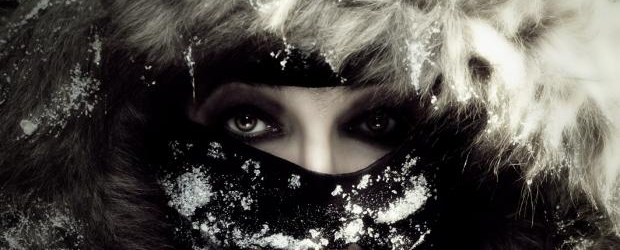
 The Noise Made By People